Why Most Construction Projects Fail Before They Even Start (It’s Not What You Think)

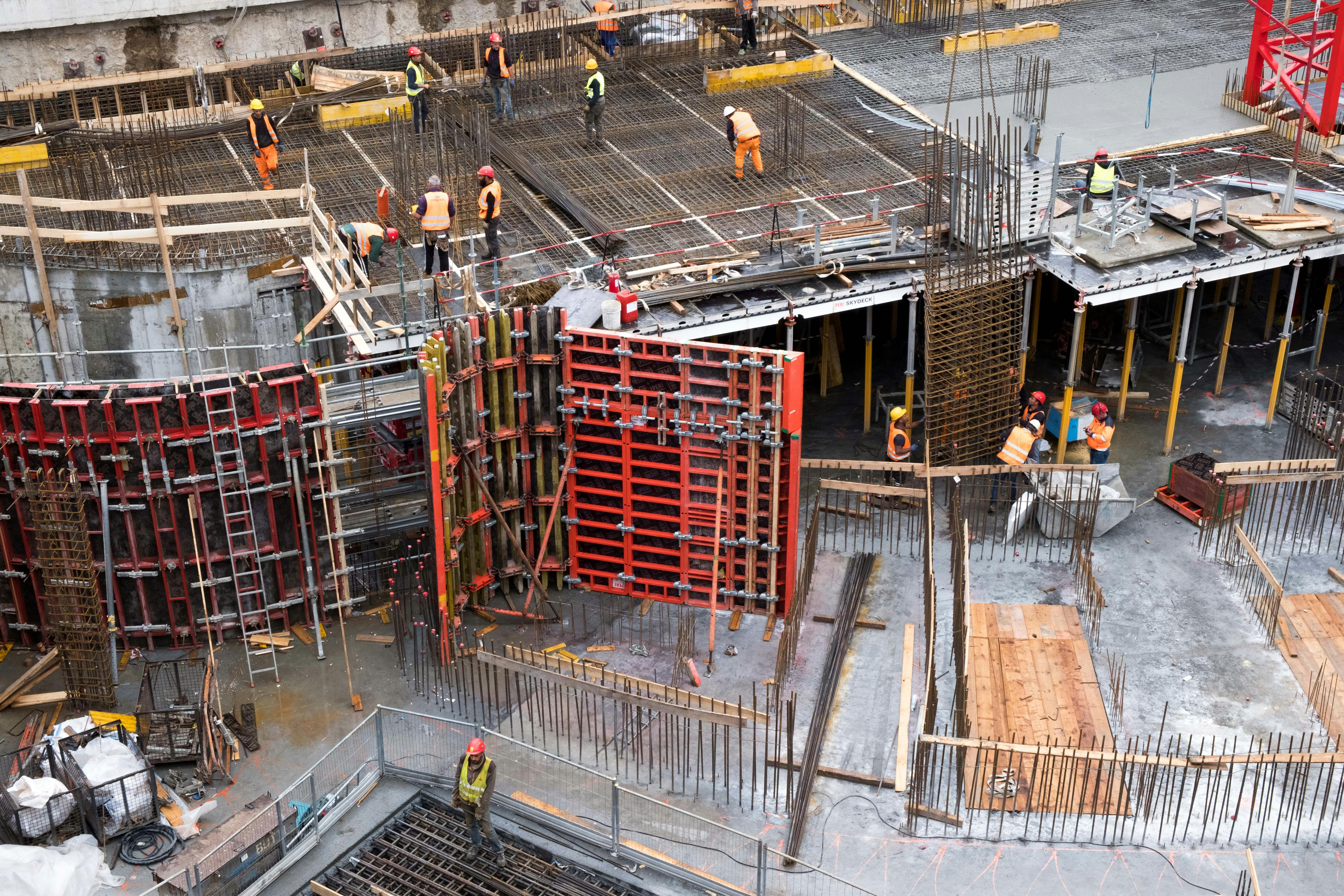
Most construction failures do not happen in the middle of a project. They begin much earlier, often before the first piece of equipment reaches the site. On the surface, everything may appear organized. Budgets are approved, timelines are drafted, and teams are aligned. But beneath that structure, small gaps in planning quietly build into larger problems.
This is where many developers, contractors, and project managers get caught off guard. The focus is often placed on execution, while the real risks are buried in early decisions. By the time those risks show up on site, they are no longer easy to fix. They are expensive, time consuming, and sometimes impossible to fully recover from.
Understanding why construction projects fail requires looking beyond what happens on site and focusing on what happens before it.
The Planning Phase Is More Fragile Than It Looks
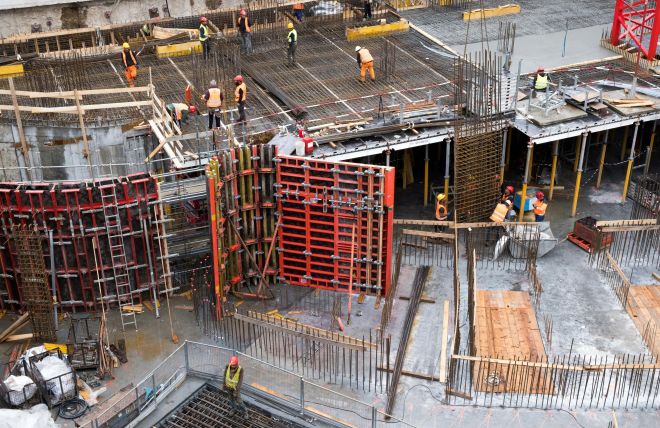
Planning is often treated as a formality rather than a critical phase. Teams move quickly to finalize drawings, approve budgets, and begin mobilization. While speed can feel like progress, it often leads to overlooked details that later disrupt the entire project.
Incomplete site evaluations, unrealistic timelines, and vague scopes of work are some of the most common issues that arise during planning. These problems may not be obvious at first, but they create friction once construction begins. Crews face unexpected challenges, schedules shift, and coordination becomes more difficult.
A well planned project does not eliminate all risk, but it significantly reduces uncertainty. When planning is rushed or based on assumptions, those uncertainties grow into real obstacles.
Material Decisions Have Long Term Consequences
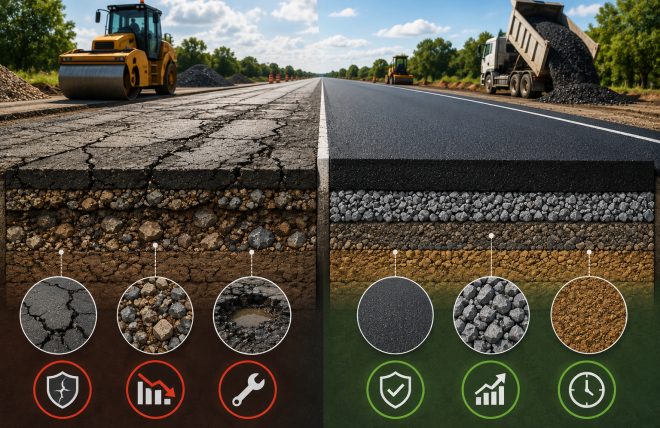
Material selection is one of the most underestimated factors in construction success. Early decisions about sourcing, quality, and availability often seem straightforward, but they directly impact the entire lifecycle of a project.
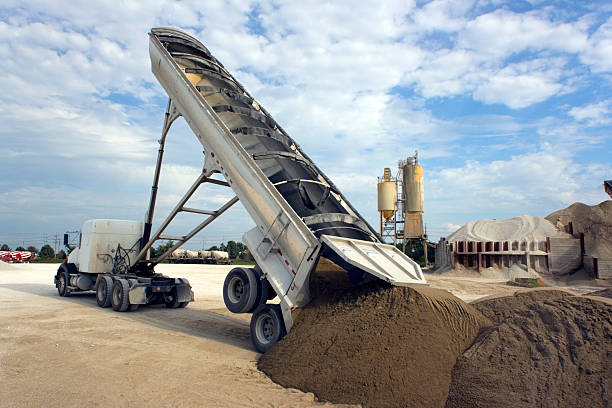
Choosing lower quality materials to reduce upfront costs can lead to performance issues, rework, and delays. On the other hand, inconsistent supply chains can disrupt timelines even when the materials themselves meet quality standards. These challenges are particularly noticeable in large scale infrastructure and roadway projects where timing and consistency are critical.
Site Conditions Are Often Misunderstood
Another major contributor to early project failure is an incomplete understanding of site conditions. Soil stability, drainage, grading requirements, and environmental factors all play a significant role in how smoothly a project progresses.
When these elements are not properly assessed, teams are forced to make adjustments during construction. This leads to delays, additional costs, and in some cases, structural issues that affect the long term performance of the project.
Proper sitework planning, including services like Earthwork and site preparation, helps identify potential challenges before they become costly problems. Addressing these factors early allows for more accurate planning and fewer disruptions later.
Communication Gaps Create Compounding Problems
Construction projects involve multiple stakeholders, including developers, engineers, contractors, and suppliers. When communication is not clear and consistent, even small misunderstandings can lead to larger issues.
Misaligned expectations about timelines, unclear responsibilities, and lack of coordination between teams often result in delays and inefficiencies. These problems tend to compound over time, making them harder to resolve as the project progresses.
Strong communication during the early stages ensures that everyone is working toward the same goals with a clear understanding of their roles. It also helps identify potential issues before they escalate.
Budgeting Mistakes Lead to Difficult Tradeoffs
Budgeting is another area where projects begin to fail early. Initial estimates are sometimes based on incomplete information or overly optimistic assumptions. As the project moves forward, unexpected costs begin to appear.
These additional expenses force difficult decisions. Teams may cut corners, delay certain aspects of the project, or compromise on quality to stay within budget. Each of these choices introduces new risks and can impact the overall outcome.
Accurate budgeting requires a realistic understanding of material costs, labor, logistics, and potential challenges. Projects that invest time in detailed cost analysis during the planning phase are better equipped to handle uncertainties without compromising quality.
The Real Cost of Starting Unprepared
The most important thing to understand is that early mistakes do not stay small. They grow over time, affecting every stage of the project. What starts as a minor oversight in planning can lead to significant delays, increased costs, and reduced quality.
This is why so many projects struggle despite having experienced teams and sufficient resources. The issue is not always execution. It is often the foundation that the project was built on.
Recognizing why construction projects fail allows teams to shift their focus toward prevention rather than correction. It encourages a more deliberate approach to planning, material selection, and coordination.
A Different Way to Approach Your Next Project
Projects that succeed are not necessarily the ones with the biggest budgets or the fastest timelines. They are the ones that invest time in getting the fundamentals right before construction begins.
They focus on accurate planning, reliable materials, realistic budgeting, and clear communication. They understand that preparation is not a delay. It is an investment in the outcome.
Take the First Step Before You Break Ground
If you are planning a project and want to avoid the common pitfalls that lead to delays and cost overruns, it may be worth taking a closer look at your current approach.
Start by evaluating your planning process, material sourcing, and site preparation strategy. A small adjustment now can prevent major issues later.
FAQs
Why do construction projects fail before they start
Construction projects often fail early due to poor planning, unrealistic assumptions, and incomplete site evaluations. These issues create challenges that become difficult and expensive to fix during construction.
How do materials impact construction project success
Material quality and availability directly affect timelines and performance. Reliable sourcing helps reduce delays and ensures consistency throughout the project.
What is the biggest mistake in construction planning
One of the biggest mistakes is rushing the planning phase. Skipping detailed analysis of site conditions, costs, and logistics leads to unexpected problems later.
How can better site preparation prevent project failure
Proper site preparation identifies potential issues such as soil instability and drainage problems. Addressing these early helps avoid delays and structural concerns during construction.
Why is communication important in construction projects
Clear communication ensures all stakeholders are aligned. It helps prevent misunderstandings, delays, and inefficiencies that can impact the project outcome.
How can projects avoid early failure
Projects can avoid early failure by focusing on thorough planning, realistic budgeting, reliable material sourcing, and consistent coordination among all teams involved.