Choosing between cold and hot asphalt sounds simple until you’re on-site and things start moving fast. Crews are ready, weather shifts, timelines tighten, and suddenly, the material choice matters more than expected.
We’ve worked with both cold asphalt suppliers and hot mix providers for years at Trinitas Materials. And the truth is, there’s no one-size answer. It depends on the job, timing, budget, and how permanent the fix needs to be. Some contractors lean toward cold solutions for convenience. Others stick with hot for durability.
Let’s break it down without overcomplicating it.
What do cold asphalt suppliers actually provide?
Cold asphalt suppliers focus on ready-to-use materials that don’t require heating. Products like cold patch asphalt and asphalt cold patch are designed for quick repairs.
You open the bag, place it, compact it, and move on. No plant coordination. No waiting on temperature windows.
This makes cold mix asphalt useful for:
- Emergency repairs
- Pothole filling
- Temporary fixes
- Small maintenance jobs
It’s simple. That’s the appeal. Especially when crews don’t have access to hot mix asphalt near me or when the job doesn’t justify full production scheduling.
When does cold patch pavement make the most sense?
There’s a time and place for cold patch pavement. It’s not meant to replace full paving, but it solves problems quickly.
If you’re dealing with minor damage or need a short-term fix, asphalt cold patch works well. It’s also useful in colder weather when hot mix isn’t practical.
We’ve seen contractors use it effectively for patching areas before a full overlay later. It buys time without shutting down operations.
But it’s important to understand its limits. Cold patch is not built for long-term heavy traffic.
What makes hot mix asphalt the preferred choice for major projects?
Hot mix is still the standard for a reason.
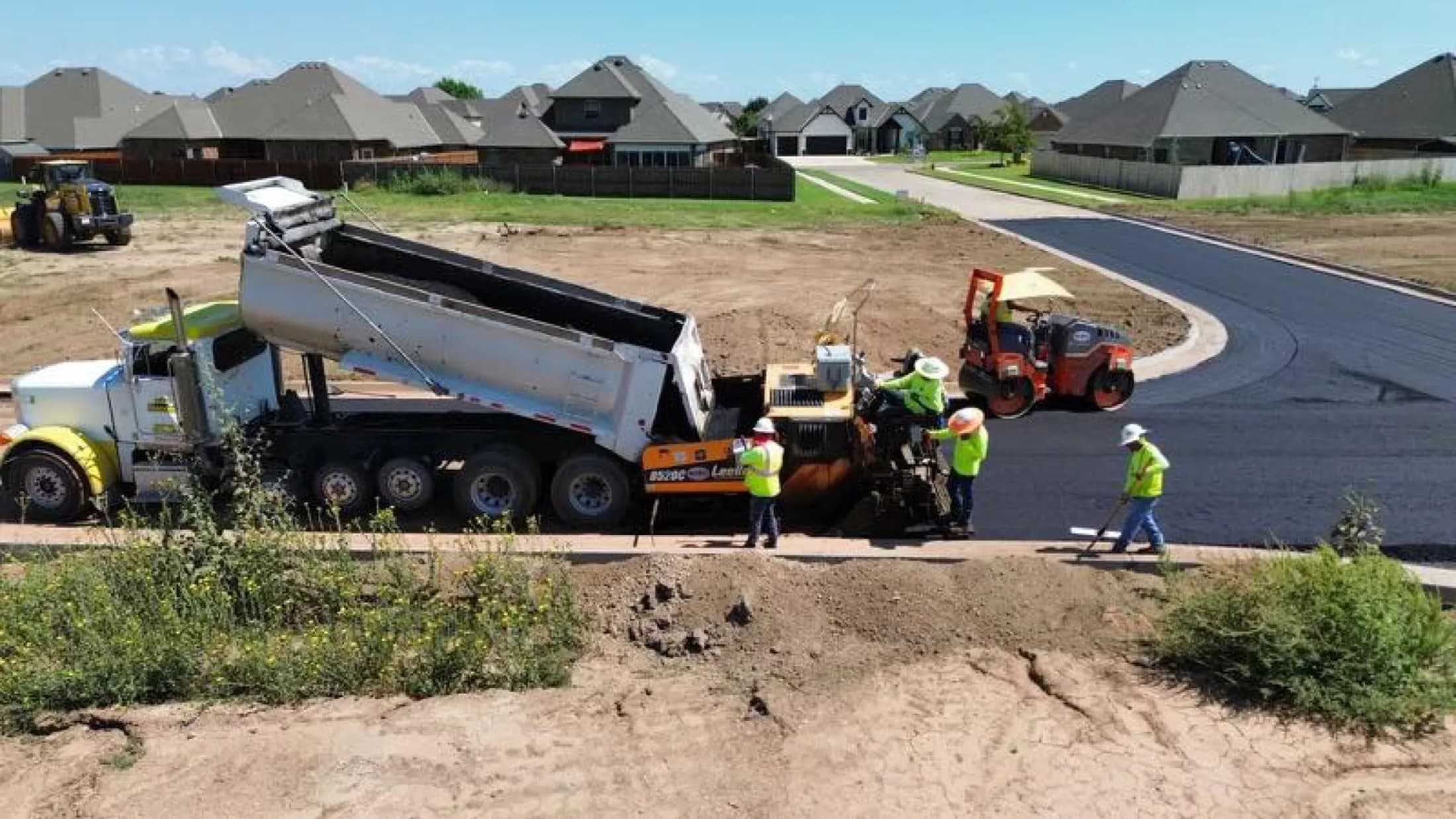
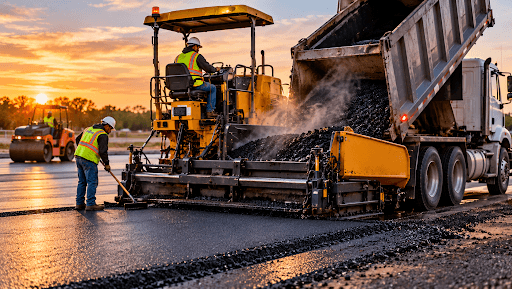
When people search for hot mix asphalt near me, they’re usually working on something more permanent. Roads, parking lots, structural layers. These need strength and durability.
The advantages of hot mix asphalt are clear:
- Stronger bonding between materials
- Better compaction
- Longer lifespan under traffic
- Smoother finished surface
Hot mix also handles heavy loads better. For highways and high-traffic areas, it’s the reliable option.
What are the advantages of cold mix asphalt?
Cold mix still has its place, and it’s not just about convenience.
The advantages of cold mix asphalt include:
- No heating required
- Faster application
- Lower upfront cost
- Works in various weather conditions
For maintenance teams and quick-response crews, these benefits matter. Not every job needs full production and paving equipment.
Cold solutions help keep roads functional without major disruption.
What are the pros and cons of hot mix asphalt?
Hot mix performs well, but it’s not perfect.
The pros and cons of hot mix asphalt usually come down to logistics.
Pros:
- Durable and long-lasting
- High load-bearing capacity
- Better finish quality
Cons:
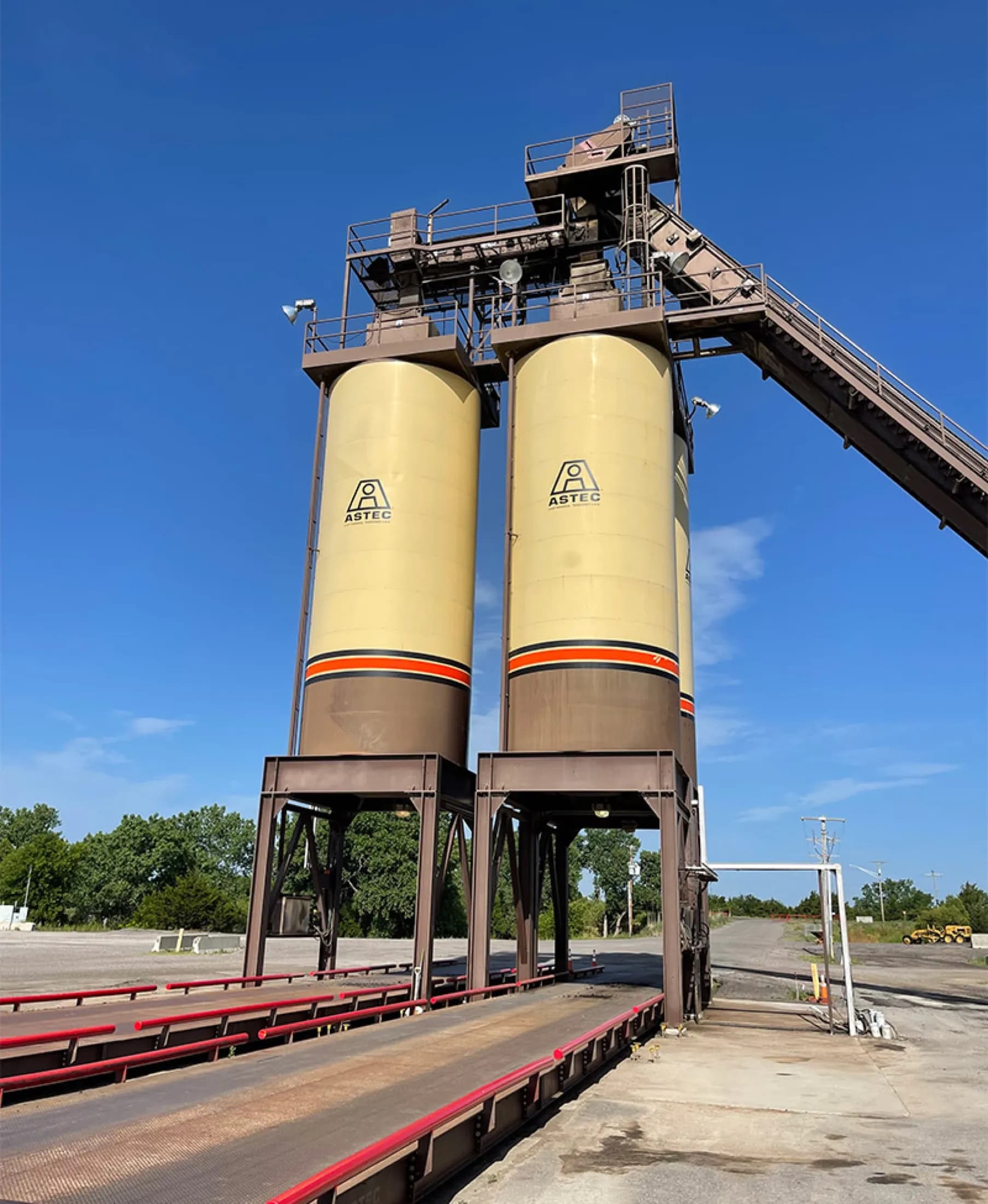
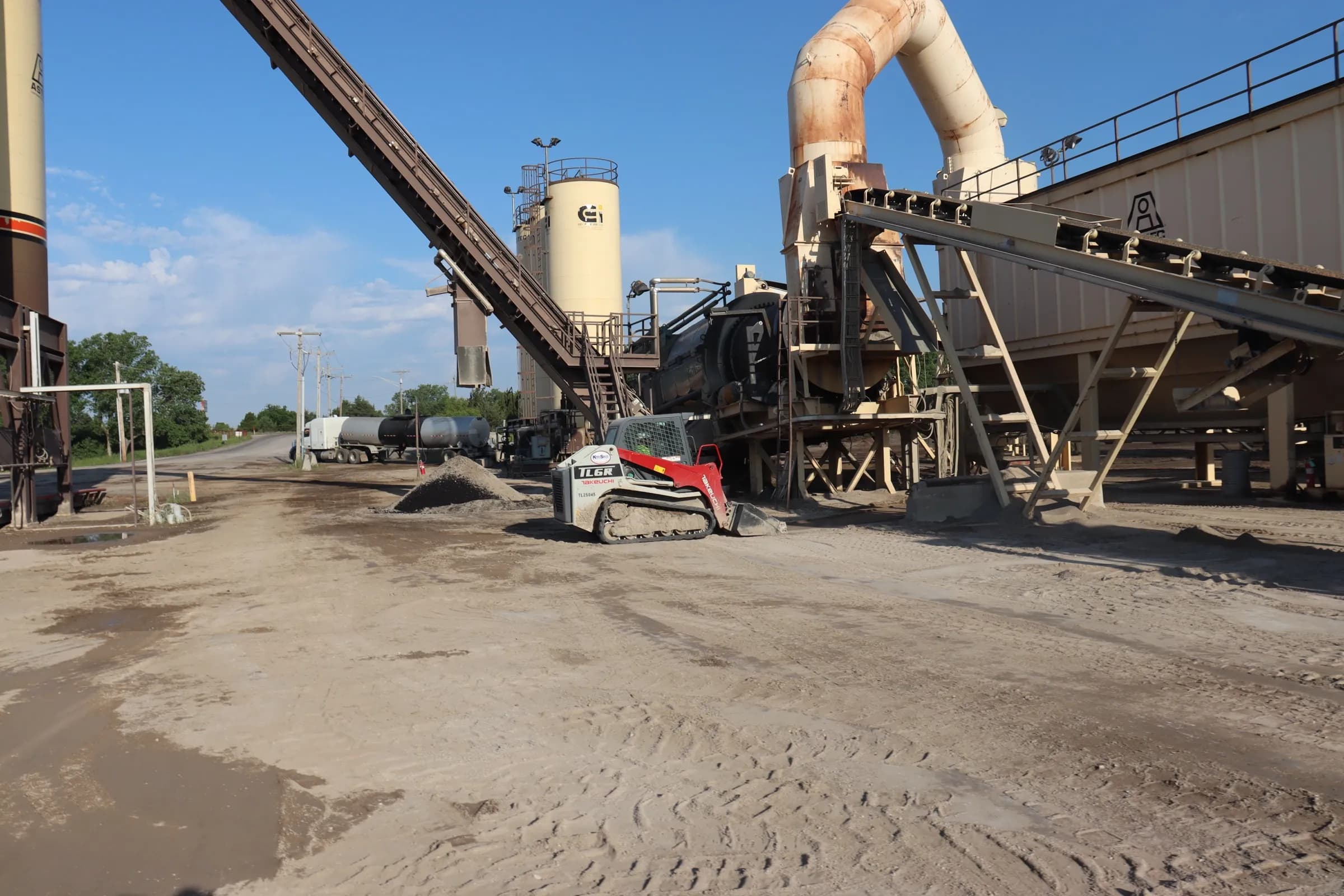
- Requires heating and transport coordination
- Sensitive to temperature during placement
- Higher initial cost compared to cold patch
So while it’s stronger, it also requires more planning.
How do you decide between hot mix and cold mix asphalt?
It comes down to the purpose of the repair.
If you need a quick fix to keep traffic moving, cold patch works. If you’re building or restoring something meant to last, hot mix is the better choice.
We often tell contractors to think in terms of time.
Short-term fix? Cold mix.
Long-term solution? Hot mix.
That simple split helps avoid overthinking it.
Can both materials be used together on one project?
Yes, and it happens more often than people think.
Many crews use cold patch asphalt as a temporary fix, then return later with hot mix for a permanent repair. This combination helps maintain safety while planning for proper paving.
Using both hot mix and cold mix asphalt gives flexibility. You can respond quickly and still maintain long-term quality.
What role does aggregate quality play in both options?
Whether you’re using hot or cold mix, aggregates matter.
As a crushed stone supplier in Oklahoma, we know how much aggregate quality affects performance. Poor stone leads to weak asphalt, no matter the mix type.
Consistent, clean aggregates improve compaction and durability. That’s true for both hot and cold applications.
Materials don’t work in isolation. Everything connects.
How do you handle serious damage like alligator cracking?
Small patches won’t fix structural problems.
When you see deep cracking patterns, you’re dealing with base failure. There are specific methods for fixing alligator cracks in asphalt, and most involve removing damaged layers and rebuilding properly.
A cold patch can act as a temporary cover, but it won’t solve the underlying issue. Hot mix is usually part of the long-term fix.
Skipping proper repair methods leads to repeat problems. It’s not worth it.
Where does Trinitas Materials fit into this?
At Trinitas Materials, we support both sides of the equation. We understand when cold solutions make sense and when hot mix is the right move.
We work with contractors to match materials to the job, not just push one option. As a local supplier, we also provide consistent aggregates to support strong asphalt performance.
Every project is different. The goal stays the same. Get the job done right, without wasting time or money.
FAQs
1. Why choose Trinitas Materials over other cold asphalt suppliers?
Trinitas Materials stands out among cold asphalt suppliers by offering reliable materials and support for both temporary and long-term repairs. We help contractors choose between cold patch asphalt and hot mix options based on real project needs.
2. What is the main difference between hot mix and cold mix asphalt?
Hot mix requires heating and is used for long-term paving projects. Cold mix is ready to use and works well for quick or temporary repairs.
3. When should I use cold patch asphalt instead of hot mix?
Cold patch asphalt is best for small repairs, potholes, and emergency fixes. It works well when quick application is more important than long-term durability.
4. Can alligator cracks be fixed with cold mix asphalt?
Cold mix can temporarily cover the damaged area but won’t fix the base issue. Proper repair usually requires removing damaged layers and using hot mix asphalt.

Trinitas Materials
Hot-mix asphalt & aggregates, Oklahoma City